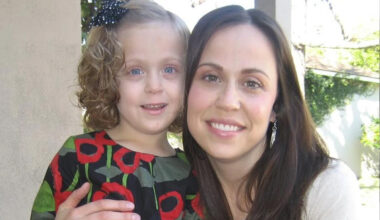
Basic Information
| Field | Details |
|---|---|
| Full name | Marion “Marnie” Fausch Banks |
| Also known as | Marnie Fausch Banks |
| Birth | July 22, 1947 |
| Death | January 19, 1991 |
| Occupation | Newspaper founder and publisher |
| Known for | Founding the Boca Beacon (Boca Grande, Florida) |
| Spouse | Jonathan Ray Banks (m. 1968; div. 1970) |
| Children | One daughter (commonly identified as Joanna Rae Banks Morgan) |
| Notable relatives | Mother: Marjorie Louise Fausch; Siblings: Joan Schachtner, James C. Fausch; Grandfather: Charles C. Carr (former part-owner of the St. Petersburg Times) |
| Primary locale | Boca Grande, Florida |
| Key milestones | 1980: Founded Boca Beacon; July 27, 1988: Sold newspaper to Dusty & Terry Hopkins |
Early life and influences
Before she was a publisher, Marnie Fausch Banks was a daughter, a granddaughter, and a keen observer of how communities stitch themselves together. Her family tree carried ink in its veins: her grandfather, Charles C. Carr, had been part-owner of the St. Petersburg Times, a detail that hints at the newsroom cadence she would later embrace. Even without a spotlight, Marnie’s path suggests the steady work of someone who understood that local news is less about headlines and more about the heartbeat of a place.
Family ties also tethered her to Midwestern practicality and Florida’s Gulf Coast sensibility. In that mix, you can see an origin story for a publisher who believed an island deserved its own voice—and could sustain it.
Marriage, motherhood, and a private chapter
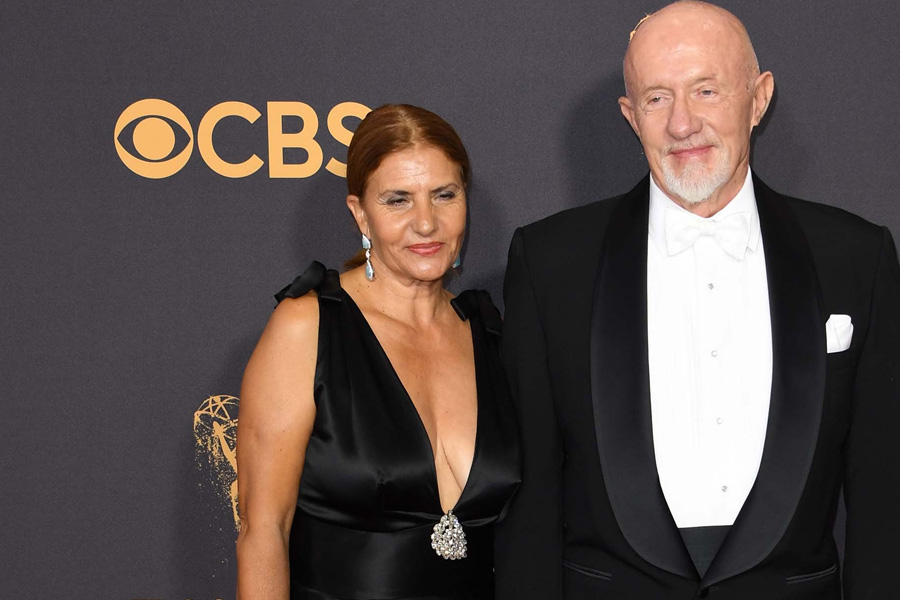
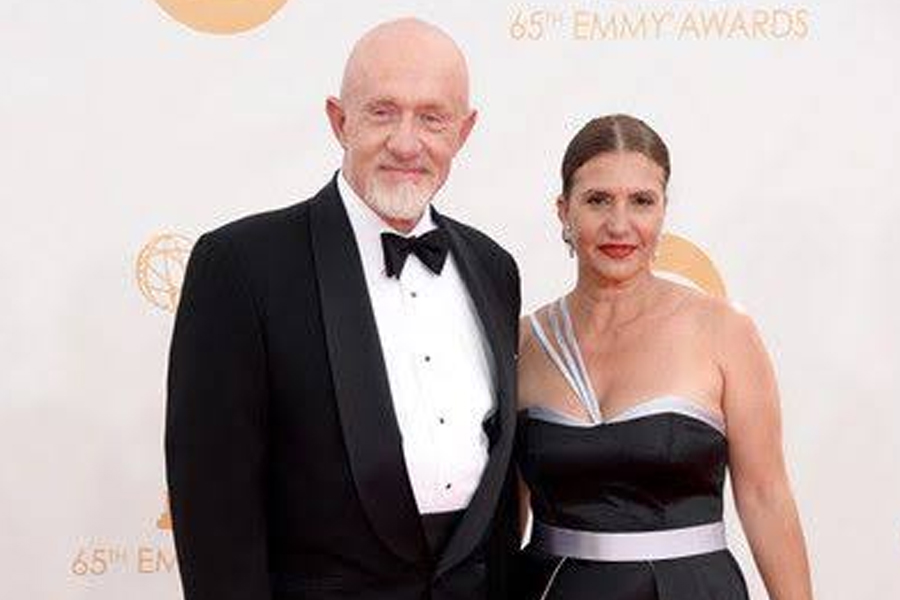
In 1968, Marnie married actor Jonathan Ray Banks. The union was brief—ending in divorce in 1970—but it marked a personal chapter during which Marnie became a mother. Public records associate the couple with one daughter, commonly identified as Joanna Rae Banks Morgan. The years that followed placed Marnie outside the celebrity lens and firmly inside the daily work of community life—precisely where she seemed most at home.
Building a newspaper on an island
In 1980, Marnie did something quietly audacious: she founded the Boca Beacon on Gasparilla Island, a barrier-island community whose needs were rarely the focus of bigger metropolitan dailies. She began on a modest cadence—monthly at first—then accelerated as demand and resources allowed. By the mid-1980s, the paper was publishing more frequently, growing into the role of island chronicler.
The Boca Beacon covered what islanders talk about at the marina and the market: civic meetings, tides and storms, utility work, school events, fishing tournaments, and the seasonal rhythms that govern life on Boca Grande. Marnie’s work stitched together disparate notes—tourism, conservation, small-business concerns—into a weekly score that residents could trust. The Beacon’s success was not flashy. It was consistent, like lighthouse beams sweeping the same arc, night after night, reassuring all who could see them.
A publisher’s toolkit
Making a paper from scratch demands a curious blend of grit and grace. You manage deadlines with one hand and advertisers with the other. You decide what to cover, when to push, and when to listen. People who remember the Beacon’s early years often point to its pragmatism: a paper that didn’t try to dazzle so much as serve. That was Marnie’s toolkit in essence—practical, unpretentious, and grounded in the community’s daily needs.
She also had a knack for timing. The early 1980s brought both growth and vulnerability to Florida’s coast. A local paper could thread those realities together: development booms and hurricane seasons, real estate listings and turtle-nesting reports. Marnie’s Beacon found the seam and stitched carefully.
Transfer of the helm
On July 27, 1988, Marnie sold the Boca Beacon to Dusty and Terry Hopkins. The transfer marked the end of her tenure but not the end of the institution she built. The Beacon continued, evolving with the island while keeping its mandate of hyperlocal coverage. For founders, there is a particular grace in letting go. Marnie managed it in one of the most difficult enterprises to divest—a living paper that must earn its readers anew each week.
Family and relationships
Marnie’s life was entwined with a family that showed up in public records and local remembrances. Her mother, Marjorie Louise Fausch, and siblings, Joan Schachtner and James C. Fausch, appear in family notices. Her grandfather, Charles C. Carr, is remembered in Florida journalism circles, and his role appears as a subtle through-line in Marnie’s professional choices. Taken together, these relationships sketch a portrait of someone who came by her interest in community storytelling honestly—and who passed along a legacy of her own.
Family snapshot
| Relation | Name | Notes |
|---|---|---|
| Mother | Marjorie Louise Fausch | Mentioned in family obituaries and memorials |
| Sibling | Joan Schachtner | Listed in family records |
| Sibling | James C. Fausch | Listed in family records |
| Grandfather | Charles C. Carr | Former part-owner of the St. Petersburg Times |
| Former spouse | Jonathan Ray Banks | Married 1968; divorced 1970 |
| Child | Joanna Rae Banks Morgan (commonly cited) | Widely referenced as Marnie’s daughter |
Milestones and timeline
The story of Marnie Fausch Banks can be told in dates, but its meaning lives in what those dates imply—a newspaper conceived, nurtured, and handed on.
| Year/Date | Event |
|---|---|
| July 22, 1947 | Birth of Marion “Marnie” Fausch |
| 1968 | Marriage to Jonathan Ray Banks |
| 1970 | Divorce finalized |
| 1980 | Founded the Boca Beacon in Boca Grande, Florida |
| Mid-1980s | Increased publication frequency as readership grew |
| July 27, 1988 | Sold the Boca Beacon to Dusty & Terry Hopkins |
| January 19, 1991 | Marnie Fausch Banks passed away |
Legacy on the Gulf
Legacy often hides in the ordinary. By founding a small-town paper, Marnie gave Boca Grande something both practical and profound: a shared record. Birth announcements and town meetings, sports scores and storm warnings—the everyday ledger that makes a community legible to itself. Newspapers like the Beacon are more than businesses; they are social compasses that point people toward each other. That is the compass Marnie fashioned, and it still points true.
Her life also belongs to a broader Florida story: women who built institutions in the spaces between giant metros; families whose names recur in publishing rosters; island towns with identities strong enough to merit their own pages. Marnie stood in that current, wading in patiently, leaving a wake that hasn’t quite faded.
FAQ
Who was Marnie Fausch Banks?
She was a newspaper founder and publisher best known for creating the Boca Beacon in Boca Grande, Florida.
What is she best known for?
She founded the Boca Beacon in 1980 and guided it through its formative years as the island’s local paper.
When did she found and sell the Boca Beacon?
She founded it in 1980 and sold it on July 27, 1988.
Was she married to actor Jonathan Banks?
Yes, she married Jonathan Ray Banks in 1968; they divorced in 1970.
Did she have children?
Yes, public records associate her with one daughter, commonly identified as Joanna Rae Banks Morgan.
When did she pass away?
She died on January 19, 1991.
Why does her name sometimes appear as Marion “Marnie” Fausch Banks?
“Marion” is her formal given name; “Marnie” is the nickname under which she was widely known.